

• • 10DLC Policy & Explainer
• • Provider: RingzU Telecommunications Corporation (including SMS/MMS/VoIP services used by all associated sub offerings of the Corporation and its affiliates.)
• • Summary: 10DLC (“10-Digit Long Code”) are standard local 10-digit numbers that U.S. businesses use for A2P (Application-to-Person) SMS/MMS. Registration with The Campaign Registry (TCR) and adherence to carrier/industry rules are required for compliant, reliable delivery.
• • 1) 10DLC Explained
• • 10DLC stands for 10-Digit Long Code, referring to standard, local, 10-digit phone numbers used by businesses in the U.S. to send A2P (Application-to-Person) SMS and MMS messages.
• • Key Aspects
• • A2P messaging: Automated or bulk messages sent from software to individuals or groups.
• • Purpose: Provide a more reliable, regulated channel than legacy, unregistered long codes to reduce spam.
• • Registration required: Businesses must register their brand and campaigns with The Campaign Registry (TCR).
• • TCR: Central database used by mobile carriers to manage/verify 10DLC campaigns.
• • Registration process:
• • Brand Registration — verifies business identity (legal name, EIN, address, website).
• • Campaign Registration — defines use case (e.g., reminders, marketing), sample messages, and how opt-in consent is obtained.
• • Benefits:
• • Improved deliverability and reduced filtering vs. unregistered long codes.
• • Higher throughput than P2P long codes (typically below short codes).
• • Local-number trust and two-way messaging/voice on the same number.
• • Cost-effective relative to dedicated short codes.
• • Regulatory compliance; avoidance of penalties for unregistered messaging.
• • Compliance is crucial: Follow CTIA guidelines; obtain explicit opt-in; provide opt-out (e.g., “STOP”) and HELP instructions; link to your Privacy Policy and Terms of Service.
• • Alternatives: Short codes and toll-free numbers remain options, each with different costs, throughput, and use-case profiles.
• • In Essence
• • 10DLC gives U.S. businesses a regulated, efficient way to send high-volume A2P messaging from local numbers, with better deliverability and customer engagement—provided you register with TCR and follow messaging rules.
• • 2) Penalties for Non-Compliance
• • Non-compliance can trigger financial penalties, blocking, and reputational harm. Examples include:
• • Financial penalties
• • Fines: Carriers impose fines that can range from hundreds to thousands of dollars per violation. Examples:
• • Content violations (spam, phishing, SHAFT—sex, hate, alcohol, firearms, tobacco): up to $10,000 per violation.
• • Messaging program evasion (e.g., “snowshoeing,” number recycling): about $1,000 per violation.
• • Tiered fines (e.g., T-Mobile examples): Tier 1 (phishing, smishing, social engineering) $2,000; Tier 2 (illegal content) $1,000; Tier 3 (other violations, including SHAFT) $500.
• • Non-use obligations: Failure to have at least one LVN associated with a 10DLC campaign in TCR can lead to monthly fines of $250.
• • Carrier surcharges: Extra fees may apply to A2P traffic, especially at high volumes.
• • TCPA lawsuits: The Telephone Consumer Protection Act allows statutory damages of $500–$1,500 per message for unsolicited texts.
• • Message blocking & filtering.
• • Unregistered or non-compliant traffic may be blocked outright.
• • Heavier filtering reduces deliverability even if not fully blocked.
• • Some carriers charge higher fees on unregistered traffic.
• • Reputation & trust damage — customer complaints, lower engagement, brand risk.
• • Account suspension/termination — repeat violations can lead to loss of carrier/network access.
• • Potential legal repercussions — in addition to TCPA, other civil or regulatory actions may apply.
• • 3) How to Register a 10DLC Campaign
• • Choose a Campaign Service Provider (CSP)
• • Most businesses use an SMS platform/CSP to oversee TCR registration.
• • RingzU Telecommunications Corporation (and its service-offering family) provides registration at no additional cost beyond TCR/10DLC registry fees. Registration is per campaign and per texting number. Current registration fee per line: $27.00 for the first registration and $17.00 for all others.
• • Gather required business information.
• • Legal company name, business address, and public website (or Facebook Page).
• • Tax ID (EIN) and primary business contact (email/phone).
• • Opt-in/opt-out procedures (how you obtain consent and allow unsubscribe).
• • Use-case description and sample messages.
• • Public links to your SMS Privacy Policy and Terms & Conditions.
• • Brand registration
• • Submit business details via your CSP to register your brand with TCR.
• • TCR verifies identity (may check against government databases). Approval can take a few days.
• • Campaign registration
• • Define the use case, sender/recipient profile, and purpose.
• • Provide sample messages and explain opt-in consent and opt-out handling.
• • Pick the use case that accurately matches your content to avoid rejection.
• • Verification & approval
• • TCR reviews for compliance and may request clarification.
• • Upon approval, a trust score may be assigned, affecting throughput/delivery.
• • Link phone numbers
• • Attach 10DLC numbers (LVNs) to the approved campaign, aligned with the intended use case.
• • Monitor & maintain compliance
• • Regularly review messaging practices against CTIA/carrier rules.
• • Keep Privacy Policy/Terms up-to-date and accessible; maintain opt-in records/logs.
• • Stay alert to carrier policy changes and TCR updates.
• • Note: Registration is generally processed within a few business days to a few weeks, depending on use case and level of vetting. Timelines vary.
• • 4) Compliance Quick-Check
• • Obtain clear, documented opt-in before messaging; honor STOP/HELP.
• • Provide business name, purpose, frequency, fees (if any), and links to your Privacy Policy & Terms.
• • Avoid prohibited content (e.g., SHAFT, phishing, smishing, illegal content).
• • Send only campaign-consistent content; avoid snowshoeing and number recycling.
• • Use registered 10DLC for A2P; do not send A2P traffic over unregistered P2P long codes.
• • 5) Contact & Support
• • For 10DLC registration assistance through RingzU or questions about this Policy, contact your account representative or:
• • Email: legal@ringzu.com
• • Mail: RingzU Telecommunications Corporation,
• 2700 NW Vaughn Street, Portland, OR 97209
• • Legal Notice: This explainer is for informational purposes only and does not constitute legal advice. Carrier/TCR fees, penalties, and requirements change over time. Always consult current CTIA/carrier policies and applicable law.


testimonials
Our Customer's Rave
"I've been running my small e-commerce business for five years, and switching to RingzU Telecom's phone voice service was a game-changer. Call quality and seamless integration boosted our customer satisfaction scores!"
Pure Energy Tech
"Setup was under 10 minutes, and the 99.99% uptime ensures we never miss a lead. Pricing is transparent with no hidden fees, delivering exceptional value that has streamlined our operation significantly."
Your Jams City
"Developing telecom apps for my SaaS startup, RingzU's developer access API has been outstanding—robust documentation, real-time voice analytics, and webhooks let us build custom systems in a matter of days."
Electric Youth Camps












More from RingzU
Apps, Tools, & Software





SIP Devices & Accessories
New & Cool Tech
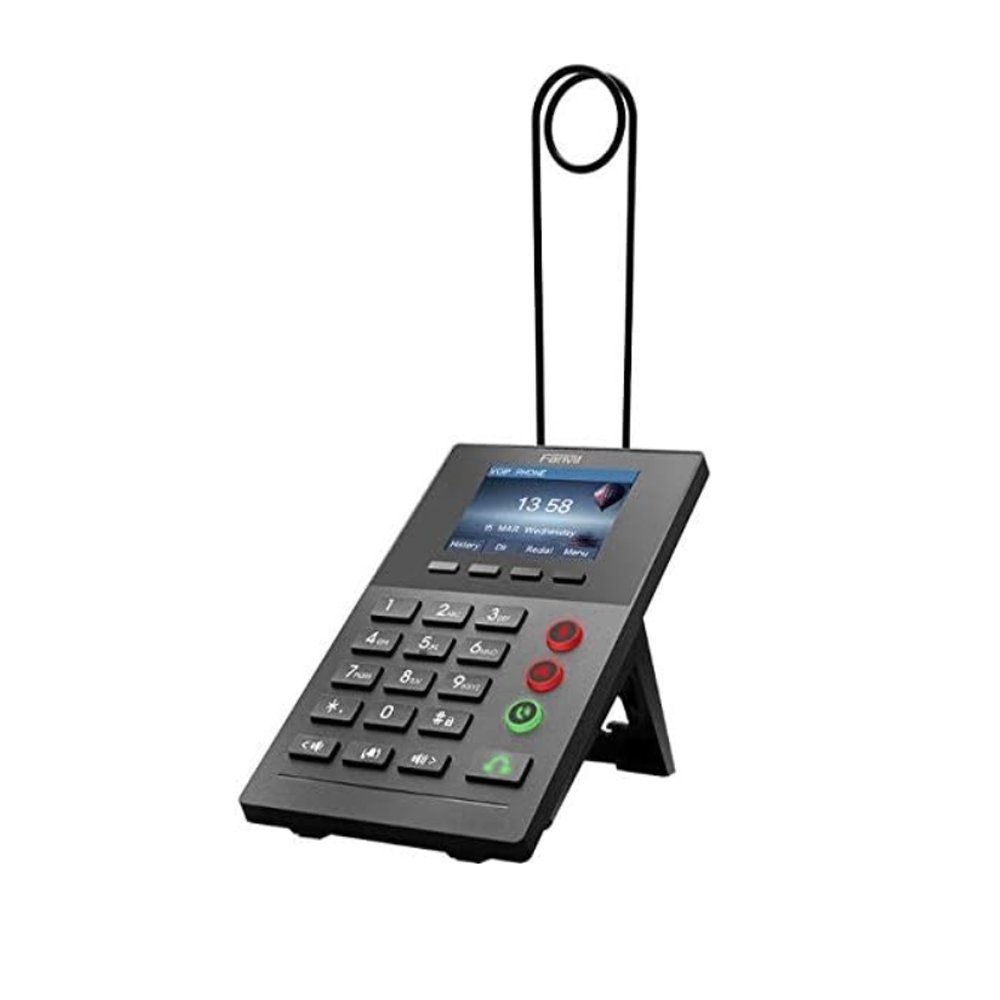
Fanvil X2P Dialpad
$79.99
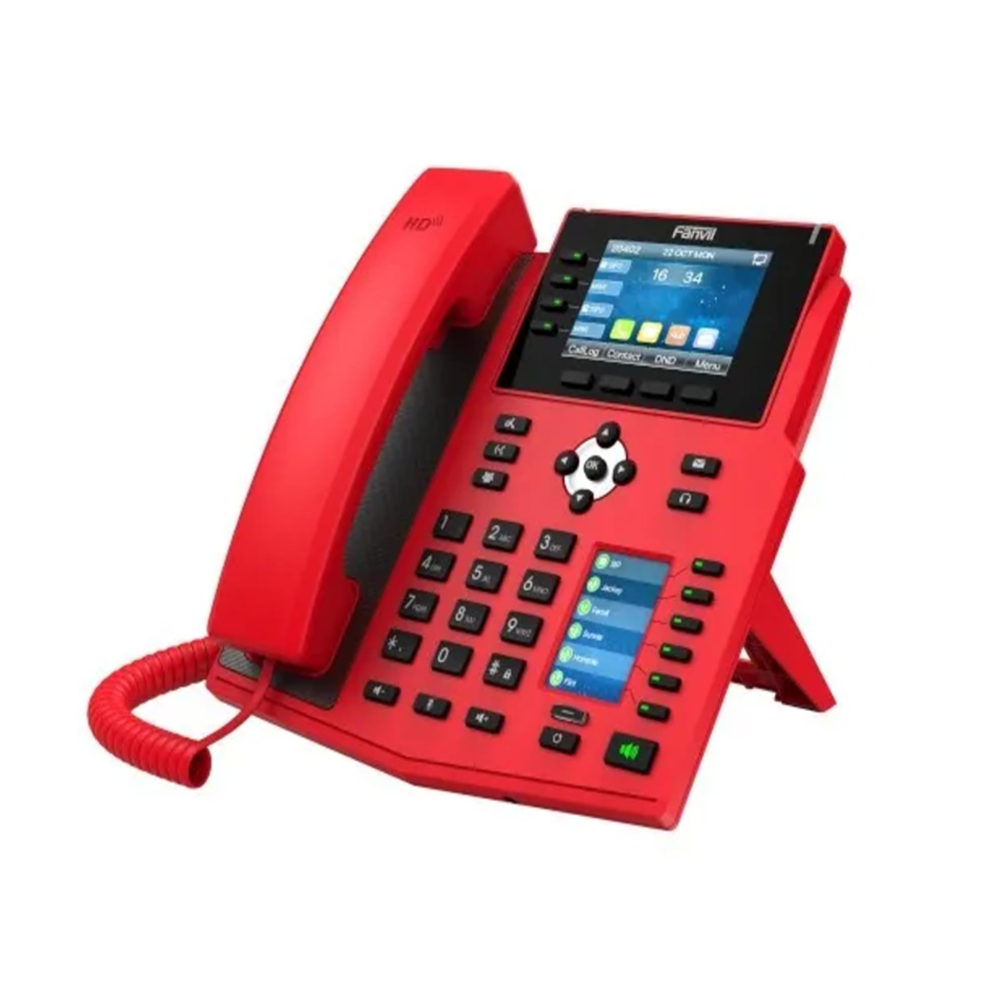
Fanvil X5U-R
$165.00
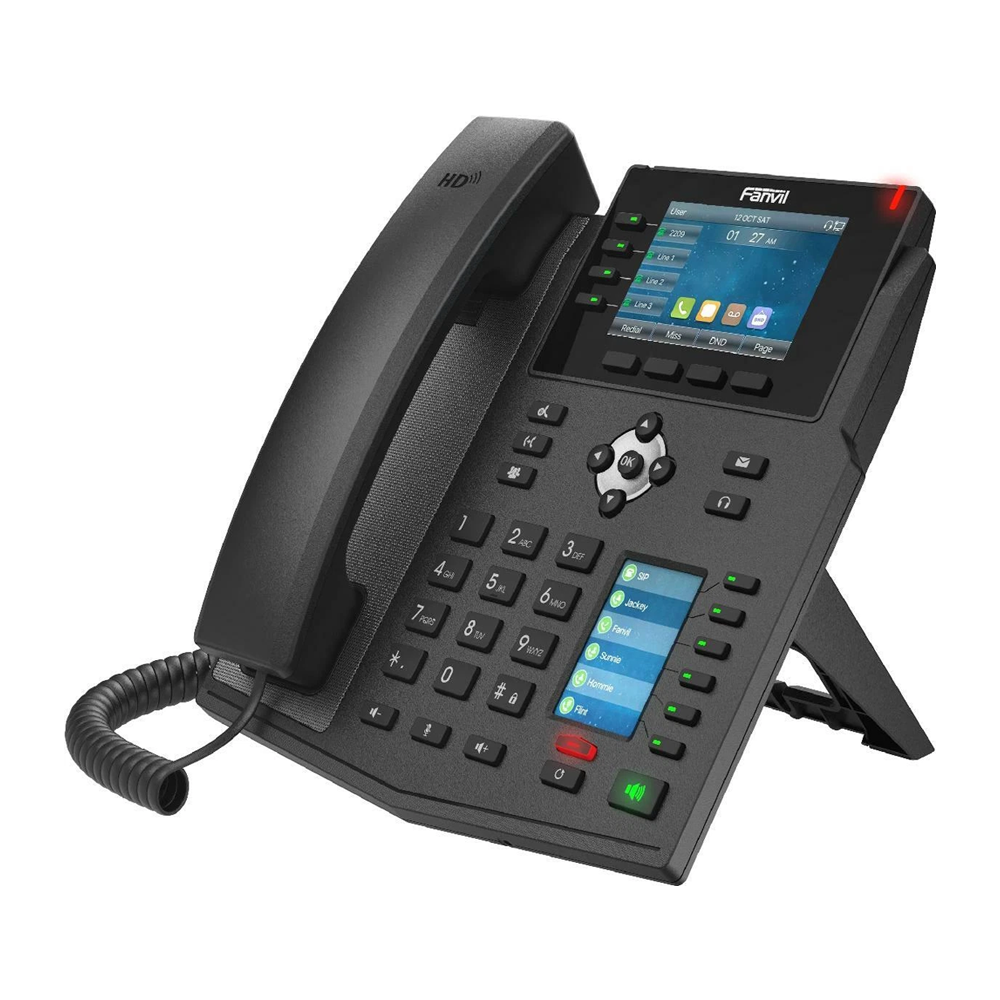
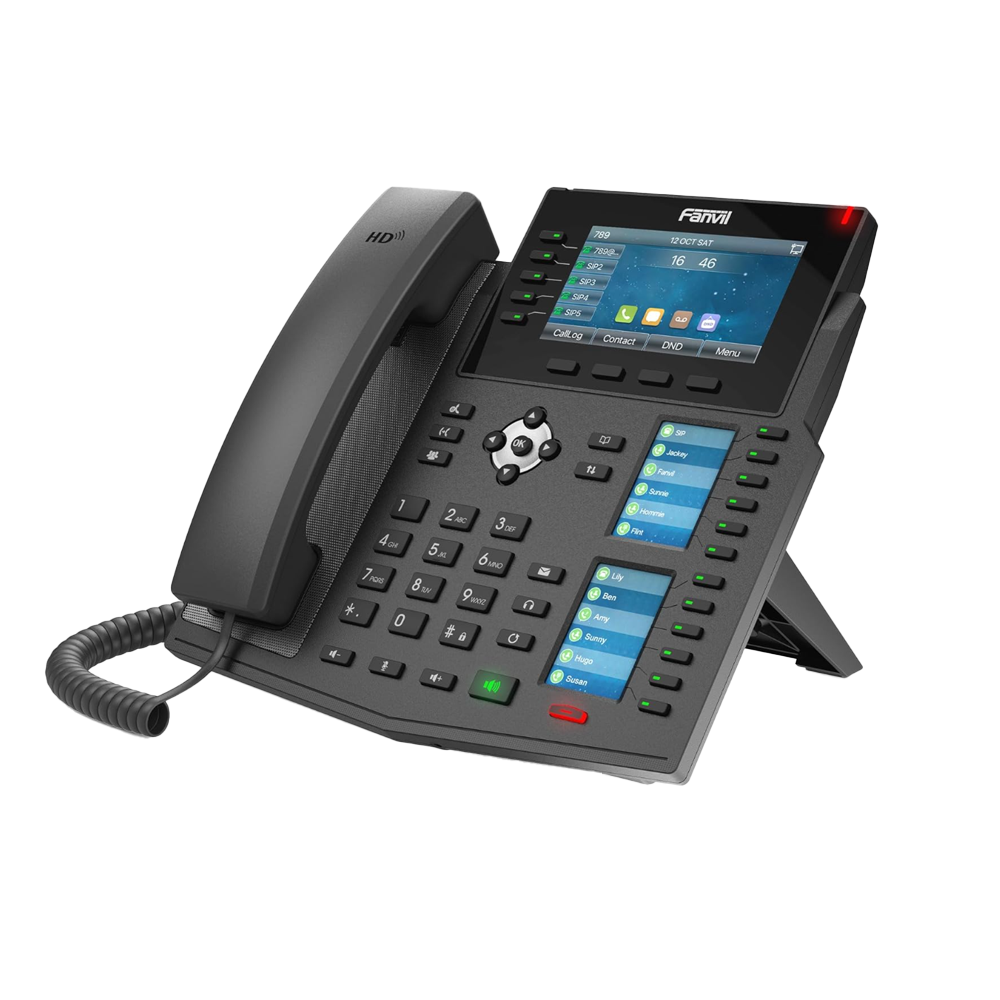
Fanvil X5U
$155.00
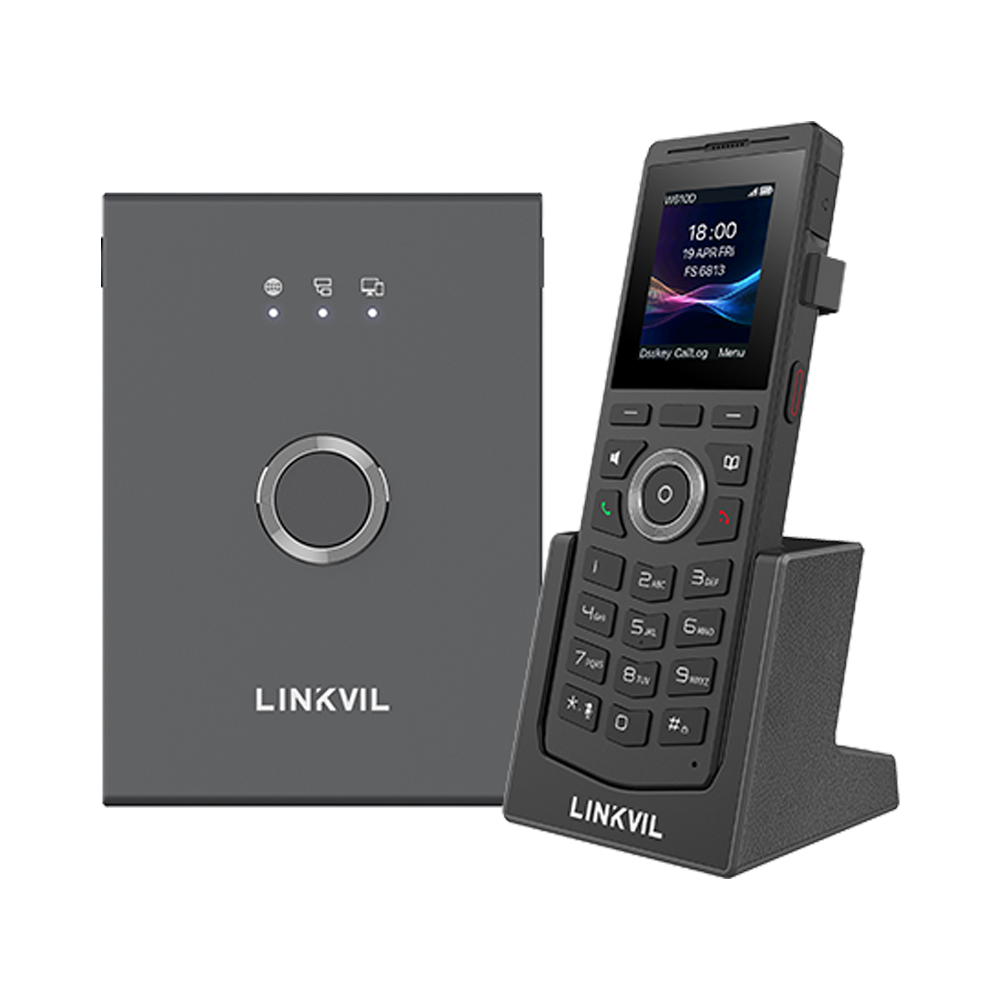
Fanvil W710P System
$165.99
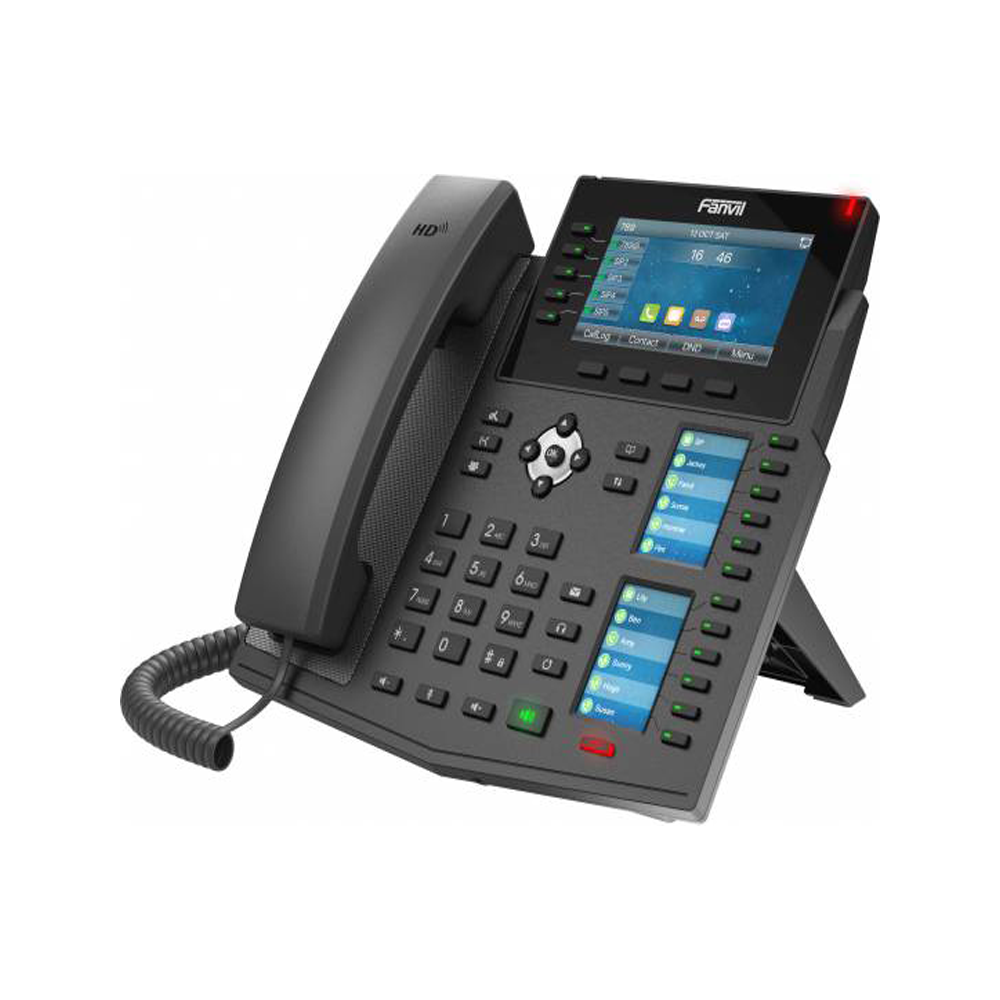
Fanvil X6U
$210.00
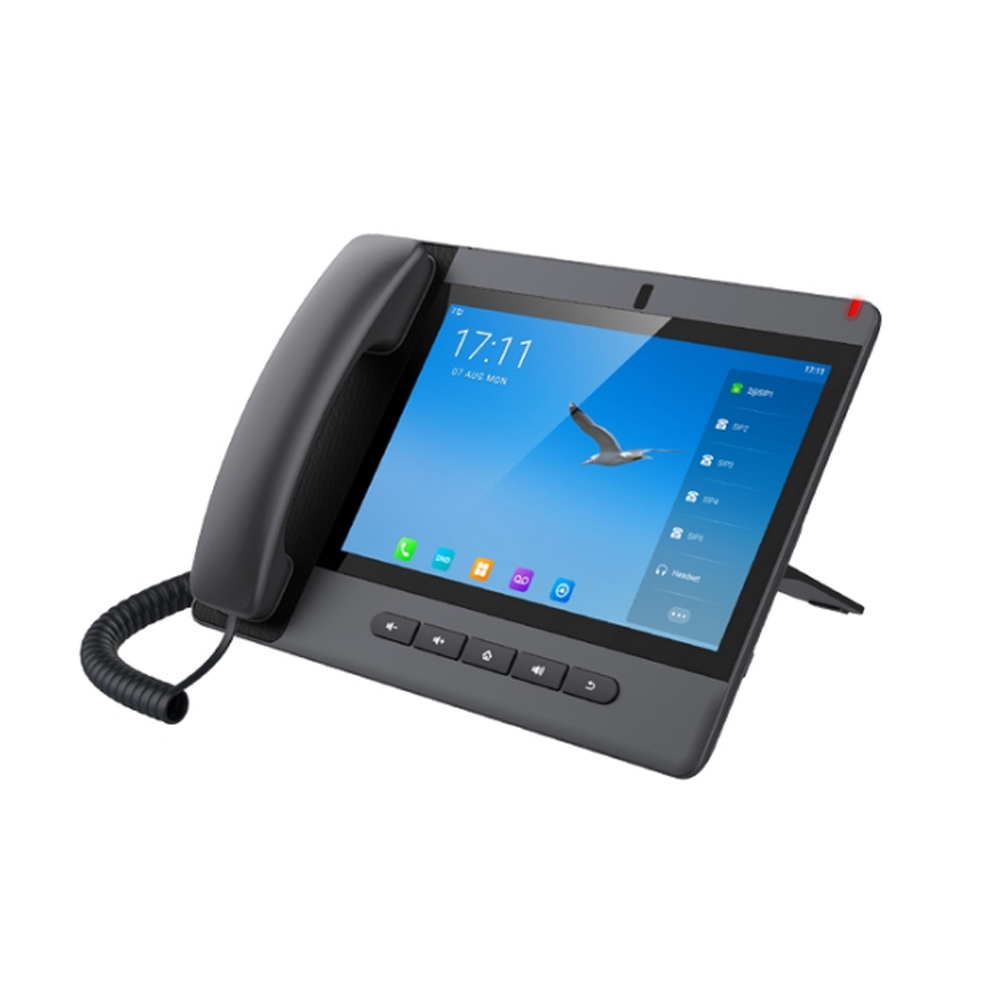
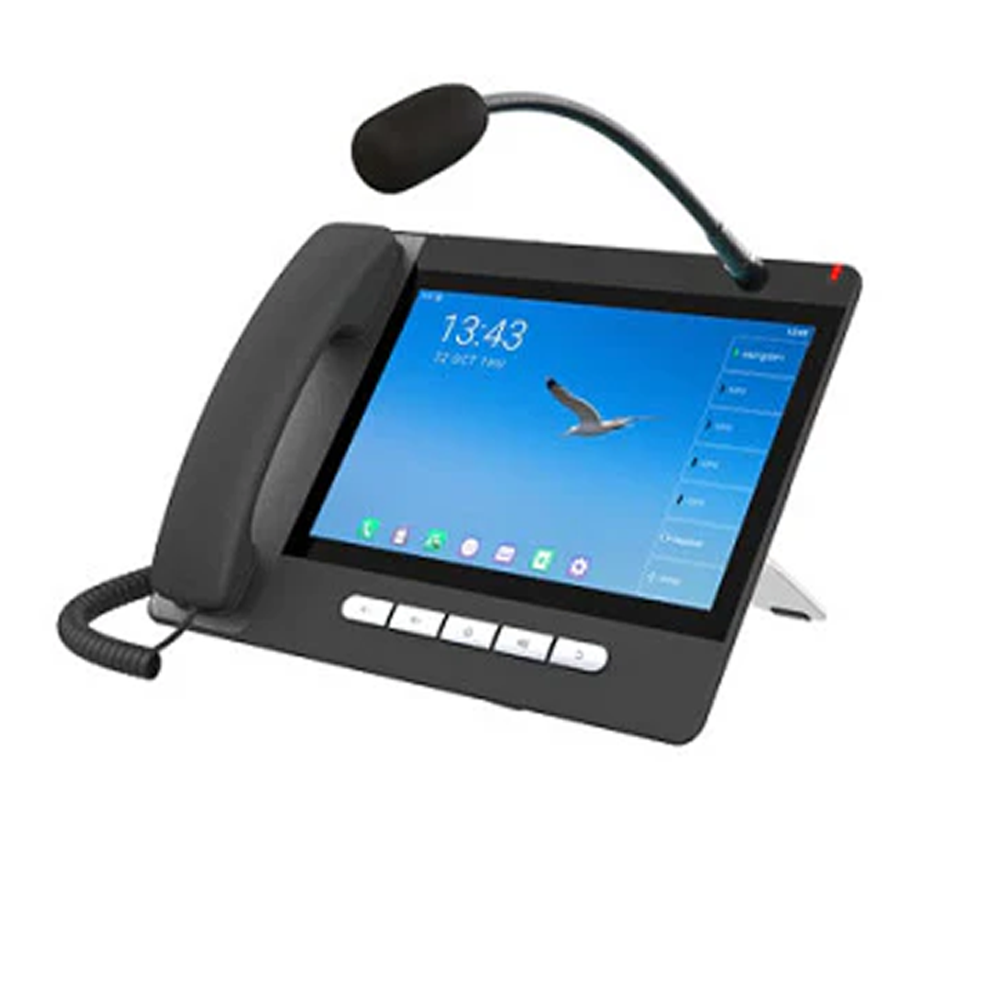
Fanvil A320 Touch
$499.99
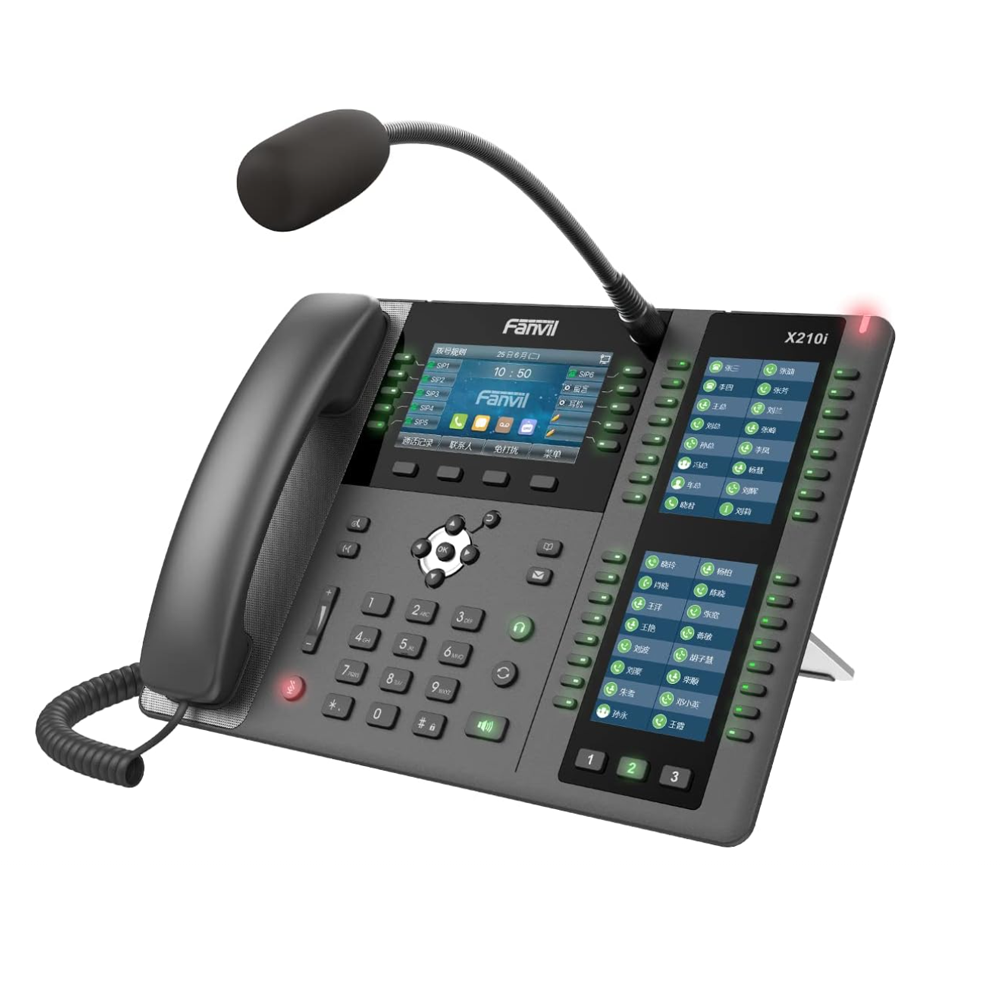
Fanvil X210i Paging
$275.99
Fanvil A32i Console
$445.00
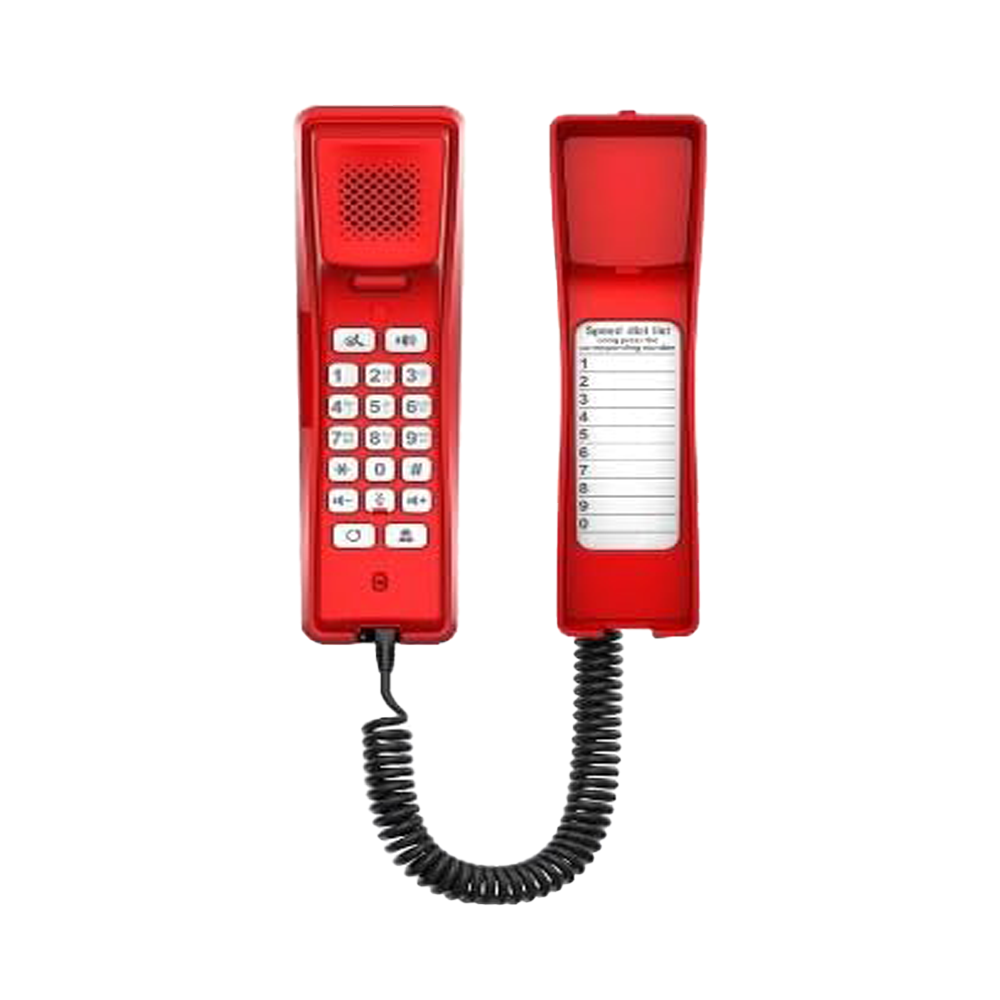
Fanvil SlimLine Red
$72.50
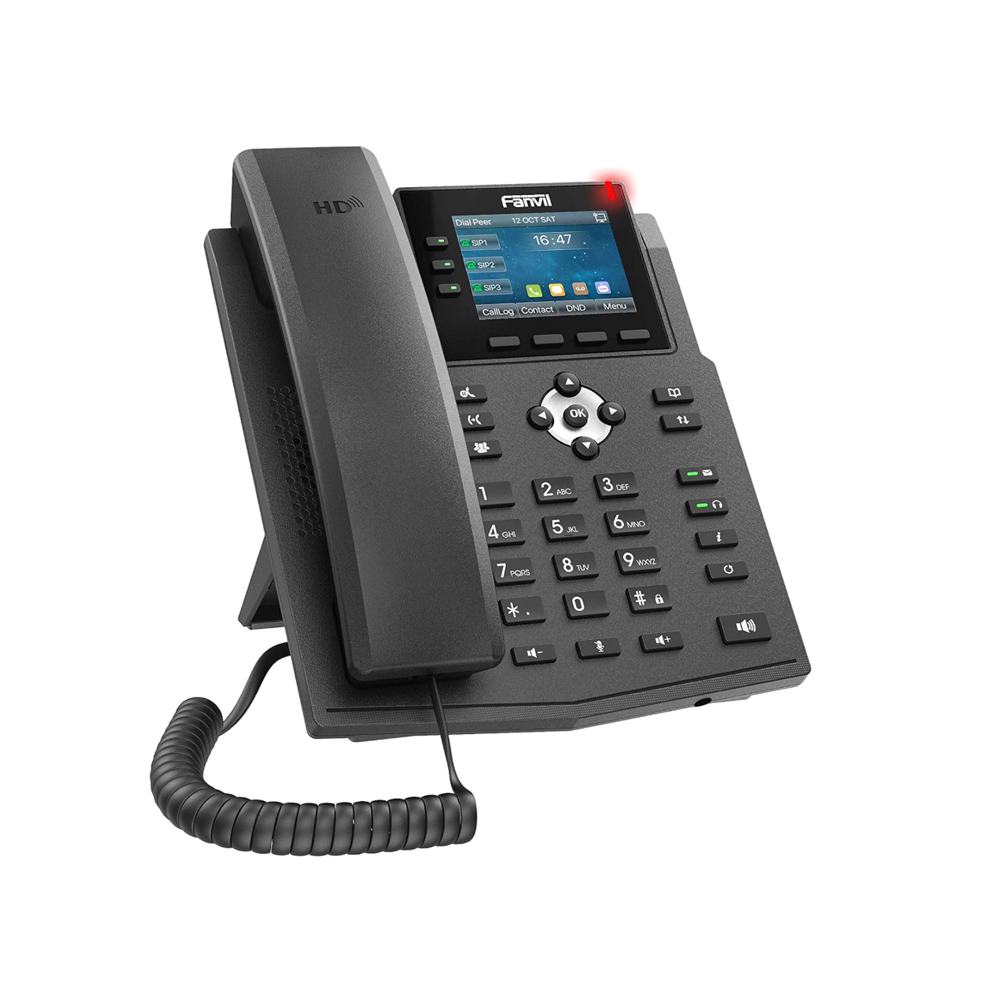
Fanvil X3U
$89.99
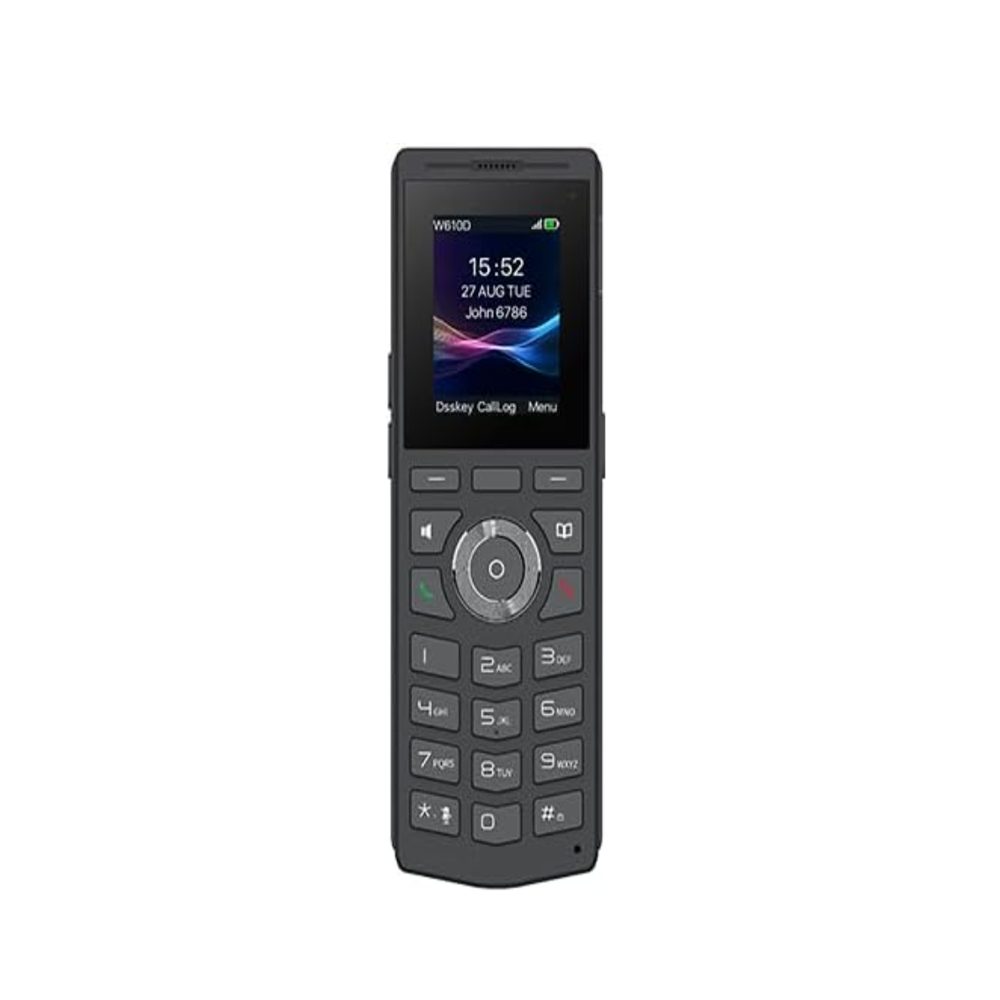
Fanvil W6100
$165.00
Fanvil X4U
$170.00
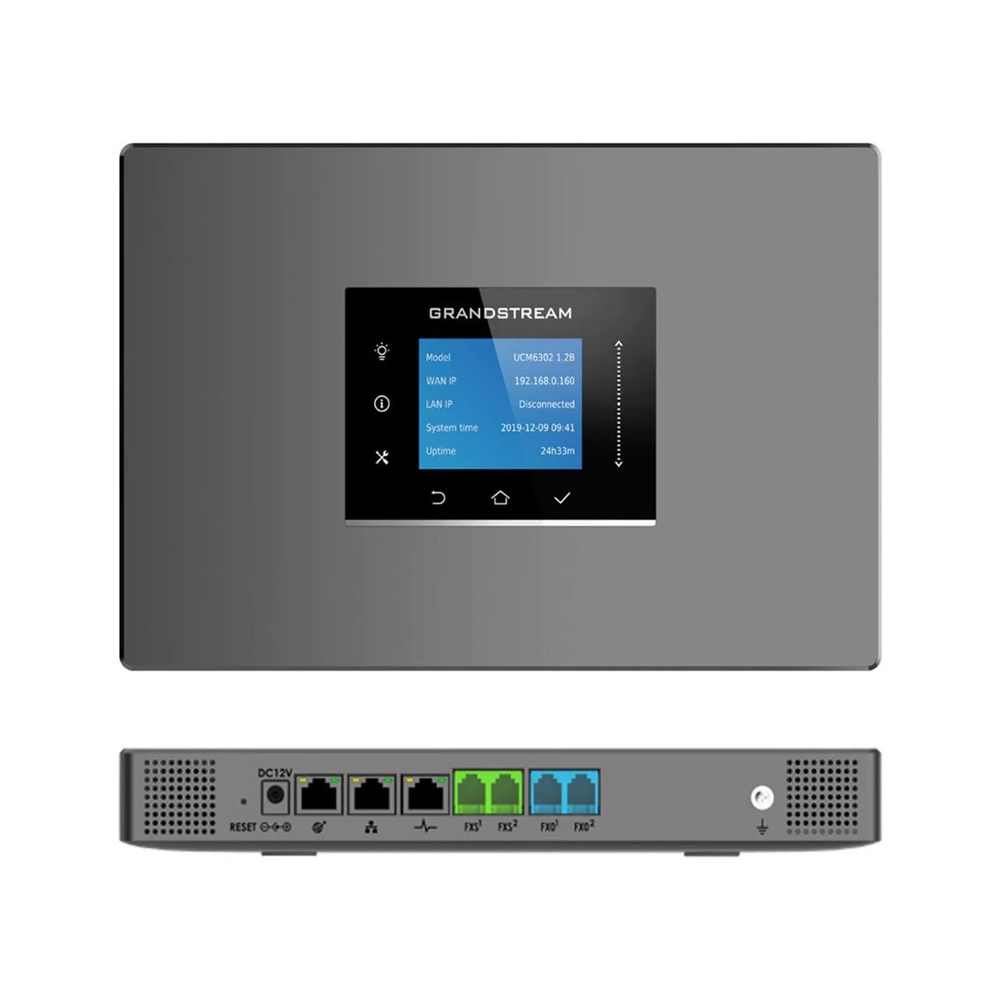
Grandstream PBX
$400.00
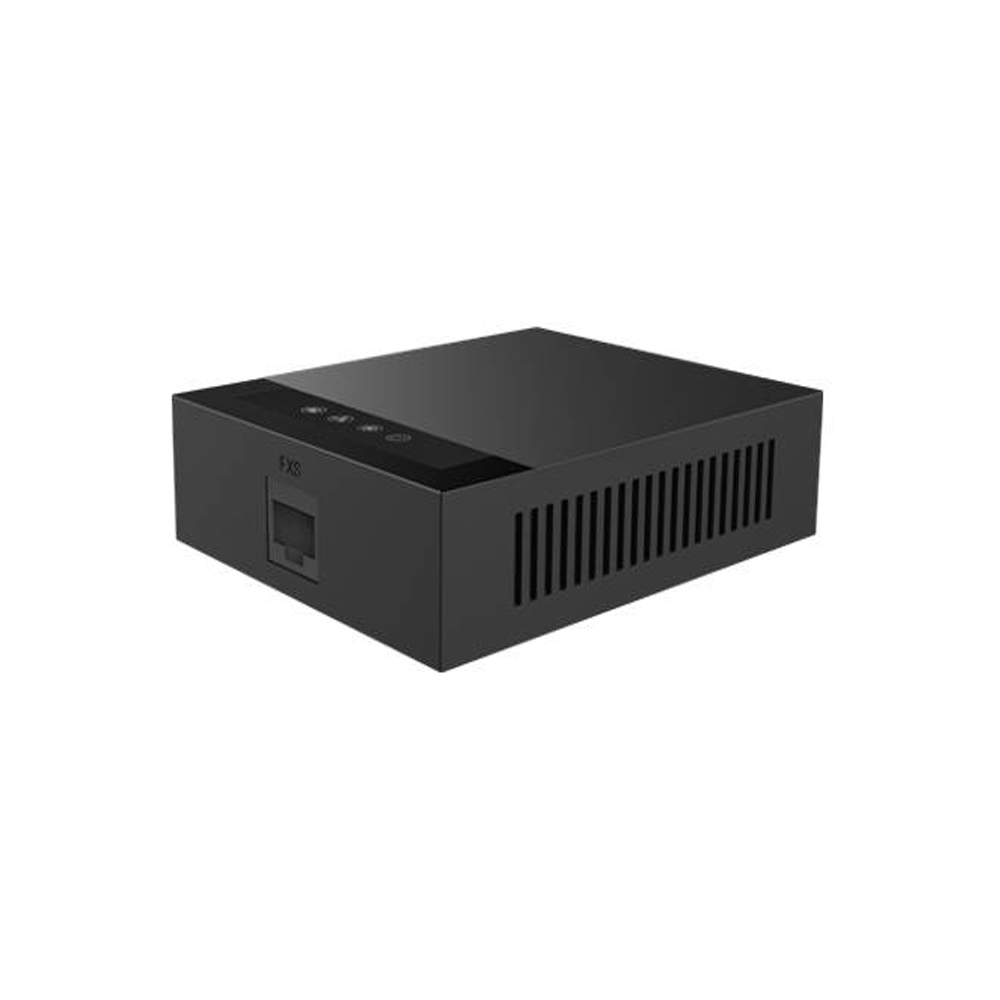
Fanvil GA10 ATA
$60.00
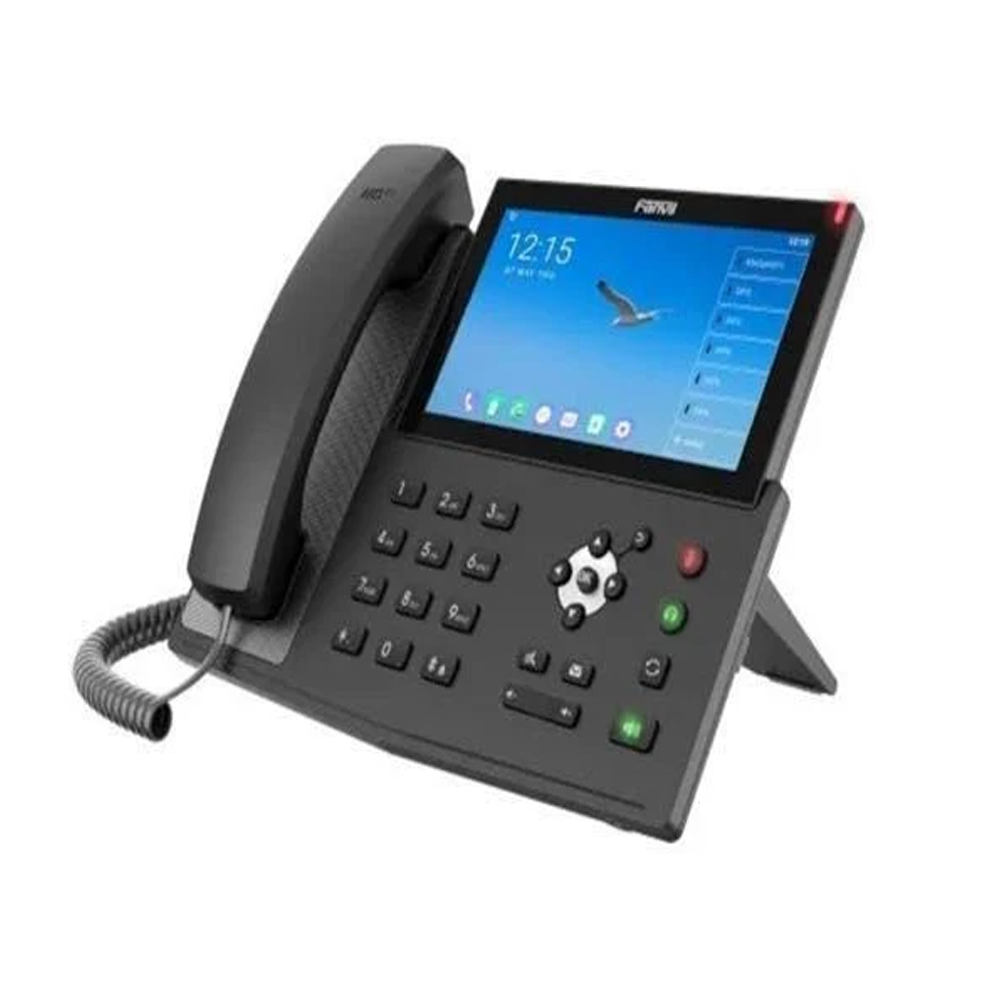
Fanvil X7A
$235.00
Fanvil PA2S
$155.00
Sign up for our updates
Stay up to update with our latest news and products.